Aluminium composite panels (ACP) are becoming popular in construction. But many wonder, just how strong are these panels?
Aluminium composite panels are incredibly strong due to their unique structure, consisting of two thin layers of aluminum enclosing a non-aluminum core. This design provides excellent durability while remaining lightweight.
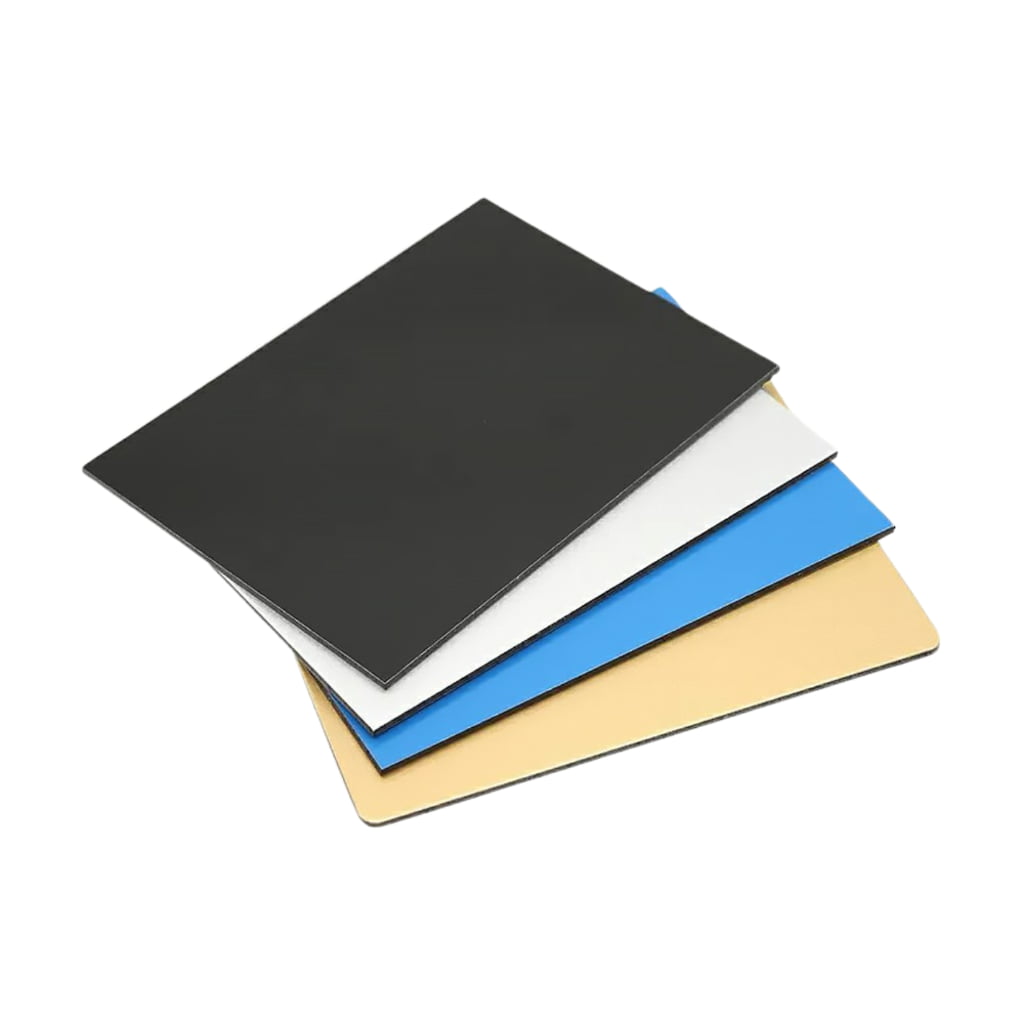
When considering building materials, strength is a key factor. I often hear questions about whether ACP can withstand harsh weather and impacts. Let’s dive deeper into the strength of aluminium composite panels and see how they hold up in various situations.
What makes aluminium composite panels strong?
Aluminium composite panels stand out because of their construction. The combination of materials contributes significantly to their strength.
The unique structure of ACP includes two outer layers of aluminum that provide protection and durability, while the inner core offers lightweight support. This construction helps the panels resist bending and breaking under pressure.
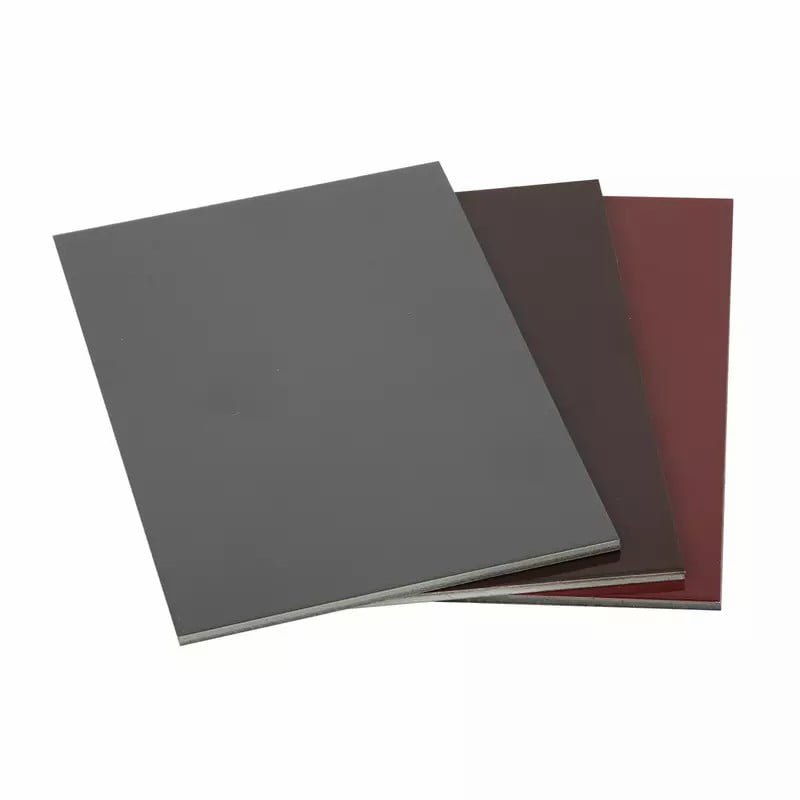
The strength of ACP stems from its design. The top aluminum layers are often coated, enhancing resistance to corrosion and stains. The core material, usually made of polyethylene or fire-retardant materials, adds to the panel’s overall stability. Thus, you have a product that can endure the elements while maintaining its integrity.
Key Strength Characteristics of ACP:
| Feature | Description |
|---|---|
| Durability | Resistant to warping, cracking, and peeling. |
| Impact Resistance | Can withstand impacts from hail, debris, and accidental bumps. |
| Weather Resistance | Designed to resist moisture and UV rays, preventing fading and degradation. |
| Fire-Rated Options | Available in fire-rated configurations (B1/A2) for enhanced safety. |
With these features, aluminium composite panels can be an optimal choice for many applications, from building facades to signage.
How does ACP perform in extreme weather?
Extreme weather conditions can be a concern when selecting materials. Fortunately, aluminium composite panels are designed specifically to handle such challenges.
ACP’s ability to resist high winds, rain, and even snow makes them a reliable choice for various climates. Their lightweight nature allows for easy installation, which can also be a benefit during adverse weather conditions.
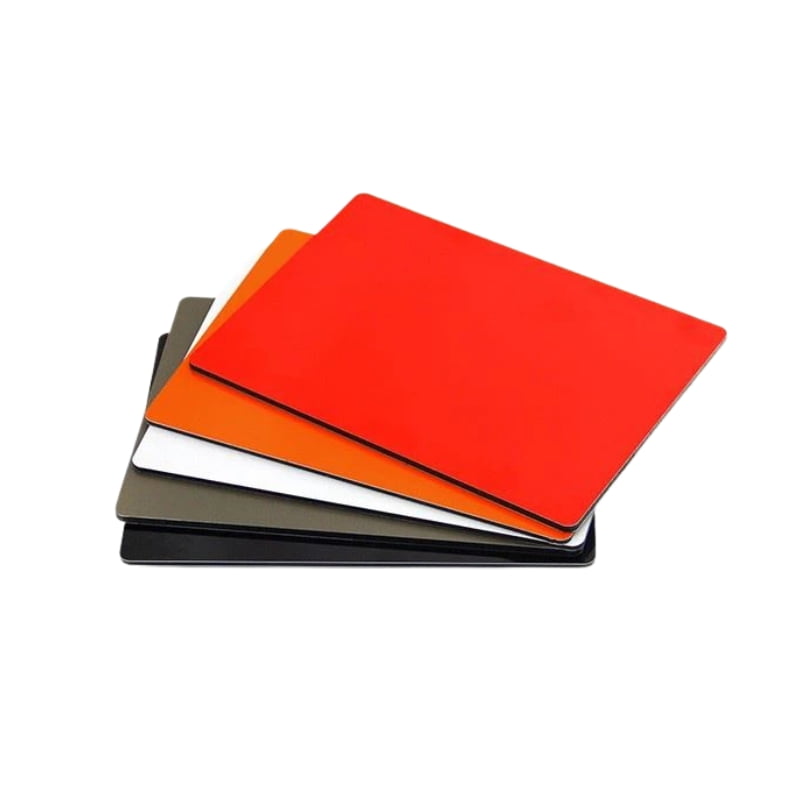
In my experience, I’ve noticed that ACP withstands diverse environmental conditions remarkably well. For instance, during a heavy storm, I watched the panels hold up against strong gusts and torrential rain. They didn’t warp or show signs of damage. This resilience is due to their robust construction and weather-resistant finishes.
Benefits of Using ACP in Extreme Weather:
- Wind Load Resistance: ACP can handle high wind pressures, making them suitable for tall buildings in windy areas.
- Moisture Resistance: The panels prevent water infiltration, which protects the underlying structure from rot and mold.
- UV Stability: The protective coating prevents fading and degradation from sun exposure, maintaining the panel’s appearance over time.
Incorporating aluminium composite panels in building projects in varied climates can lead to long-lasting results.
Are aluminium composite panels safe in terms of fire safety?
Fire safety is crucial for any construction material. The good news is that aluminium composite panels have made significant strides in this area.
Many ACP options are now available with fire-rated cores. These materials can help slow down the spread of flames, making them a safer choice for buildings.
I’ve had discussions with architects and builders about fire safety in construction. The introduction of fire-rated ACP options has enhanced safety standards in many projects. These panels meet strict regulations and have been tested for their fire resistance.
Fire-Rated Options:
- B1 Fire Rating: Provides moderate fire resistance, suitable for many commercial applications.
- A2 Fire Rating: Offers high fire safety, ideal for high-rise buildings and areas with strict fire codes.
Using fire-rated ACP can help protect buildings and occupants, addressing critical safety concerns.
Conclusion
In summary, aluminium composite panels are strong, durable, and versatile materials suitable for various applications. Their resistance to weather, impacts, and fire makes them a smart choice for modern construction.